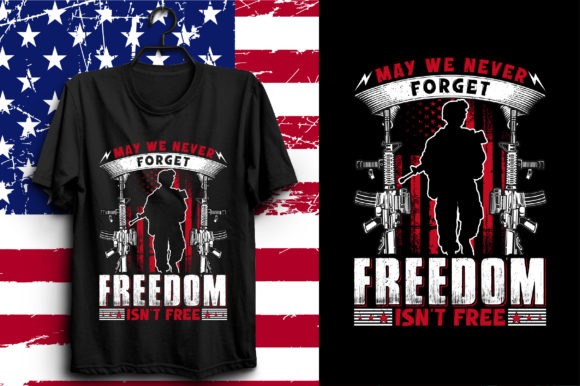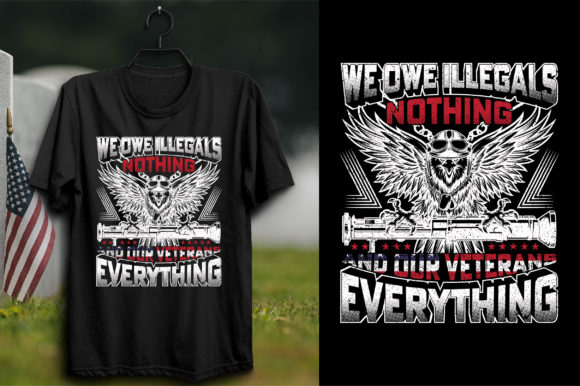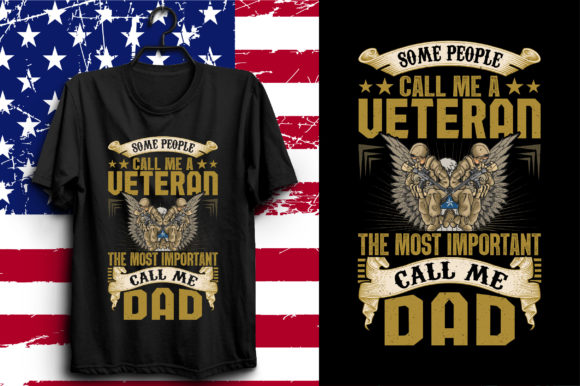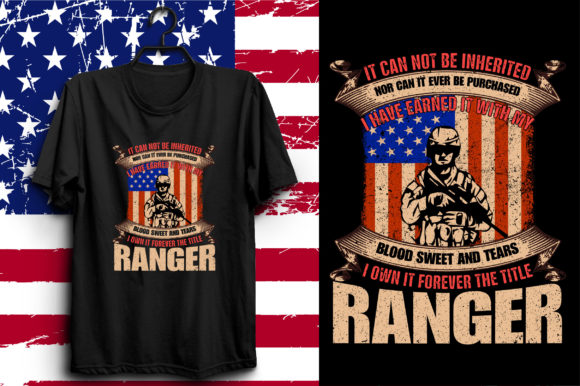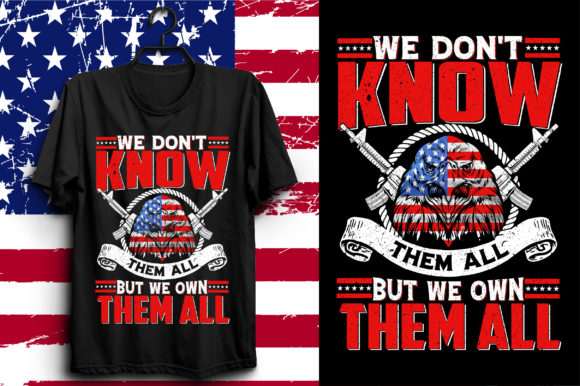
Don t Know Veteran T-Shirt Design for Graphics
As an experienced blog designer and digital publisher, I review dozens of graphic design assets every month before they ever touch a live website. My workflow depends on assets that are versatile, visually authoritative, and ready for real publishing environments. When I first opened the Don t Know Veteran T-Shirt Design, I immediately recognized its potential beyond casual apparel graphics. This is a typography-forward vector rooted in a veteran typography design approach, and the store behind it focuses on high-quality sublimated printing designs. While it originates as a T-shirt design, my first instinct was to adapt it for editorial and web use. I hope you enjoy our T-shirt design as a starting point, but my goal here is to show you how it performs when stretched into blog graphics, lead magnets, and social media visuals. This review is written from the trenches of content marketing, where every visual needs to earn its place on the page.
A Publisher’s First Look: Editorial Mood and Reader Perception
The Don t Know Veteran T-Shirt Design immediately conveys a strong, respectful, and authoritative tone. The typography is bold, upright, and carries a distinct military aesthetic that signals resilience and service. For content publishers, this is a valuable mood to capture. It feels both modern and timeless, with a clean execution that avoids looking overly aggressive or niche. The vector format means I can scale it infinitely without losing sharpness, which is critical when moving from a small thumbnail to a full-width website header. In terms of editorial design, this asset naturally supports lifestyle blogs, patriotic content, veteran service pages, history publishers, and even political commentary sites. It creates an immediate emotional anchor for the reader, establishing trust before a single word is read. For a digital publisher, that first impression is the difference between a click and a scroll past.
Integrating the Design into a Real Content Workflow
I recently built a content upgrade for an article titled “Supporting Veteran Entrepreneurs.” The digital guide needed a cover that communicated strength and purpose. I imported the Don t Know Veteran T-Shirt Design into my Canva template as an SVG, placed it against a dark navy background with a subtle American flag texture, and layered the headline in a clean sans-serif font. The result was a polished lead magnet that looked ready for a paid course. This same workflow applies directly to blog featured images, Pinterest pins, and newsletter headers. When I create a Pinterest pin for affiliate marketing content, I need an instant visual hook. The bold typography of this design serves that exact purpose. It creates a clear visual hierarchy, drawing the eye directly to the core message. For social media graphics, it works beautifully layered over a rugged background or used as a watermark on image-based posts.
Adapting for Blog Graphics and Website Headers
For a blog category page dedicated to veteran affairs, I used the Don t Know Veteran T-Shirt Design as a recurring brand identity element. The typography became the signature visual for that section of my site. By using it consistently across article thumbnails and category headers, I strengthened the visual hierarchy of the entire navigation. Readers immediately recognized the category, which improved engagement and reduced bounce rates. In web design, such consistency builds reader trust and makes the site feel more professional. The design also works well as a hero image overlay, especially when paired with a high-contrast background. I tested it with both light and dark themes, and the vector scaled cleanly without pixelation. This is a major advantage over raster images when designing for responsive layouts.
Why Visual Hierarchy and Brand Identity Support Content Marketing
Every publisher knows that a strong brand identity drives content marketing success. The Don t Known Veteran T-Shirt Design provides a ready-made visual signature that can be threaded through an entire content ecosystem. When I use it on a downloadable resource, it signals that the content is curated and professional. For affiliate marketing pages, it helps the offer stand out in a crowded feed. The bold, no-nonsense typeface improves click-through potential because it communicates the topic instantly. There is no ambiguity about the content’s focus. This clarity is essential for small business branding and creative entrepreneurs who need to maximize every asset. By adding this design to your library, you gain a tool that consistently delivers a strong first impression across multiple channels.
Strategic Placement: Where This Graphic Design Asset Performs Best
- Blog featured images: Use it as a central graphic for articles on service, leadership, or history.
- Pinterest pins: The bold typography reads exceptionally well in vertical pin formats.
- Digital product covers: Enhance eBooks, digital guides, and lead magnets with an authoritative look.
- Newsletter headers: Create a cohesive brand identity for email campaigns targeting the veteran audience.
- Category thumbnails: Help readers navigate your site by using the design as a visual tag.
- Social media graphics: Ideal for Instagram posts or Facebook covers that need an instant subject hook.
- Website headers: Use the vector at full width for a striking hero section on dedicated landing pages.
- Printable design: The vector format makes it perfect for posters, worksheets, and resource guides.
When to Use This Design with Care
No graphic design asset is universal. The Don t Know Veteran T-Shirt Design should be used carefully in a few contexts. On small mobile thumbnails, the text details may become hard to read, so avoid using it as the sole graphic in very small frames. It also requires strong contrast; placing it over busy or low-contrast backgrounds will reduce readability. For corporate or minimalist editorial design that demands a neutral tone, this asset might feel too specific. Similarly, if your content niche is strictly academic or non-political, the military aesthetic could feel mismatched. Always test the design inside a real blog layout before committing to it site-wide. Check how it behaves with serif and sans serif font pairings, and preview it in both landscape and square formats. A little upfront testing prevents a disconnect between your visual system and your audience’s expectations.
Practical Publisher Notes: Testing, Typography, and Licensing
Before you use any asset from a creative marketplace in monetized content, you must confirm the commercial license. The Don t Know Veteran T-Shirt Design is a digital download, and like most T-shirt design vectors, it is intended for both print and web use. However, verify that your specific plan covers affiliate marketing, digital product sales, and paid content platforms. I always check the license file immediately after downloading. From a technical standpoint, the vector format is excellent. I recommend compressing the final exported PNG or JPEG for web performance without sacrificing quality. Tools like TinyPNG or the export settings in Canva work well. Test the design on desktop and mobile screens side by side. I loaded it as a featured image and then as a thumbnail in a blog list view. The readability held up well on larger screens, but on mobile I added a subtle drop shadow to improve contrast. For font pairing, I tested it with a classic serif for a more traditional feel and with a clean sans serif for a modern look. Both worked, but I suggest avoiding script or handwritten fonts that could clash with the upright, bold typography. The design’s strength lies in its clarity, so let it carry the visual weight. Finally, integrate it into your content calendar as a recurring element for any veteran-related posts. Consistent use across blog graphics, social media visuals, and printable design assets will solidify your brand identity and make your content instantly recognizable.
This asset is more than a t-shirt graphic. It is a publishing tool that supports visual hierarchy, editorial design, and content marketing with authority and polish. Added to the right workflow, it delivers real value for designers, bloggers, and small business owners alike.